

Accidents at work are all too common and can be easily avoided yet still persist. Work injuries can happen in the workplace from a desk environment to a construction job. Work injuries range in severity from small scratches and bruises to catastrophic accidents that can leave employees with a long-term disability. Learning about common workplace accidents helps employers and employees to work in a safe and hazard-free environment. Identifying potential common accidents helps prevent the accidents that occur at work. The Government of Canada provides official workplace safety guidelines for all industries. Having an idea of the risks involved makes it easier to implement safety procedures, offer adequate training, and equip employees with the tools necessary to avoid the dangers.

Common Workplace Accident Types
Learning about work accidents helps organizations identify hazards before they become major claims. You can easily see clear trends across various industries by researching most common workplace accidents and injuries. Let’s examine each type in detail to help employees learn about potential workplace accidents and how they happen, and preventive actions you can take to stop accidents from happening.
Slip, Trips And Falls
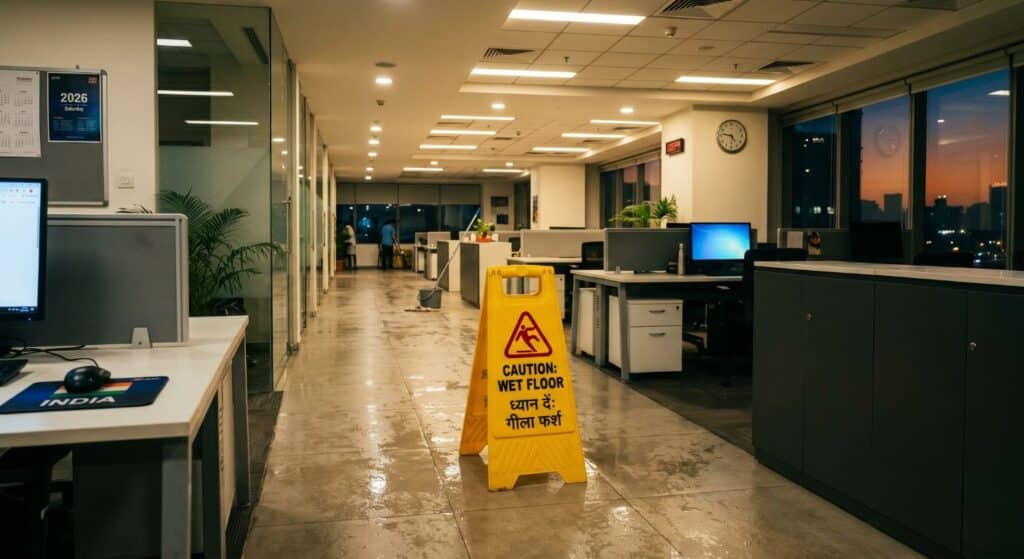
The most common work related injury according to the reports filed in Canada has been slip, trip and fall related injuries. Wet or icy floors, uneven surfaces, clutter in walkways or a lack of lighting are the primary culprits for slip, trip and fall injuries at work and can cause many serious health concerns such as head injury, back pain, fractures and sprains. Read the section on Causes of slip, trip and fall injuries in the workplace for more insight.
Common reasons for slips, trips and falls:
– Wet or icy floors
– Uneven work surface
-Loose wiring
-Low light
-Cluttered walkway
Some physical problems that arise as a result of slip, trip and fall work accidents are concussions, back injuries, fractures and sprains.
Methods to prevent slip, trip and fall work related accidents:
-Non slip flooring
-Clean up spills immediately
-Use hazard signs
-Regular inspections of the area
Repetitive Motion Injuries
Musculoskeletal disorders (MSDs) or repetitive motion injuries is another common type of work injury that arises from repeating the same movements on an ongoing basis. Some common examples of MSDs are tendonitis, carpal tunnel syndrome or bursitis. These work related injuries commonly occur in employees who perform repeated movements as a job function, such as typing, assembly line work, or frequent lifting of heavy objects.
Typing, lifting, scanning or assembly line work are typical movements that may cause chronic strain injuries.
Examples of repetitive motion injuries:
-Tendonitis
-Carpal tunnel syndrome
-Bursitis
-Rotator cuff injuries
Prevention for MSD work related injuries:
– Ergonomic assessment
– Adjustable furniture (desk and chair)
– Rotation of job tasks
– Micro breaks schedule
Ergonomic assessment, appropriate employee training, scheduled breaks and job rotation will help reduce risks of work accidents.
Strains And Sprains
Strains and sprains are another very common type of work related injury that Canada annually reports many of them. Strains and sprains occur in muscles, tendons and ligaments and are commonly associated with improper lifting techniques, or performing strenuous movements too quickly. Employers should provide their workers with proper lifting training and use mechanical aids where appropriate.
Strains and sprains occur in muscles, tendons and ligaments as a result of:
– improper lifting of objects
-Over exertion
– Twisting movements
– awkward poses
It’s noted that back injuries occur more frequently among employees working in health care, warehousing and construction jobs.
Prevention for strains and sprains at work:
-Safe lifting training
-Use mechanical aids
– Stretching exercises
– Use correct body mechanics
Employees should engage in stretching, warming up routines and implement ergonomic measures in the workspace to lower the chance of strains and sprains.
Cuts And Lacerations
Common cuts and lacerations in the workplace occur in food processing, manufacturing or construction type industries. Employers should always use and provide correct Personal Protective Equipment (PPE) which is cut resistant gloves, safety goggles, and appropriate guards for all machinery. Maintaining a clean, and safe work area, and providing adequate training on safe handling techniques will significantly lower this type of work related injury. Sharp tools, unguarded equipment and sharp materials can create cuts.
Jobs where cuts are most common:
– Food processing
– Manufacturing
– Construction
Prevention for cuts and lacerations at work:
– Cut resistant gloves
– Machine guards
– Proper equipment maintenance
– Lock out / Tag out procedures
Proper housekeeping of the workplace can reduce this specific type of accident in the workplace.
Electrical Injuries
Electrical work related injuries pose a risk for many workers due to the many dangers of the workplace. Electric shock from improper wiring or faulty electrical tools are the cause of such accidents and can lead to electric shock, severe burns or electric death. Exposure to loose or damaged wiring, or poor electrical safety practices can cause electrical injury.
Consequences from electrical work related accidents:
-Electric shock
-Severe Burns
-Cardiac arrest
-Electrocution
Prevention for electrical accidents at work:
– Electrical inspections
– certified training for relevant work
– Insulated tools
– Lock out / Tag out procedures
Workplaces must have safety regulations concerning electricity in the workplace and ensure that workers are fully trained. Proper lockout / tag out procedures, insulated tools and adequate PPE can make work electrically safer.
Burns
Burns are a type of work related injury caused by contact with high temperatures, flammable materials, or chemicals. Training regarding safe handling of chemical materials and proper storage is vital. Fire safety is very important in these industries, which may involve offering workers training on how to use fire extinguishers and emergency evacuation routes.
Prevention of Burns at work:
– Protective clothing
– Chemical training
-Fire safety plans
-Emergency eyewash stations
Training for fire safety at work involving fire extinguishers should be provided.
Respiratory Problems
Air born chemicals, dust, fumes, or other substances are a common cause of respiratory problems in the workplace. Lung damage, asthma or other serious lung conditions may occur in workers exposed on an ongoing basis.Employers should routinely monitor air quality in the workplace, install proper ventilation systems and ensure that employees wear adequate respiratory protection devices such as masks or respirators.
Exposure at work that may cause respiratory issues:
– Dust
– Fumes
– Gases
– Chemical exposure
The consequence of long term exposure is occupational asthma,COPD, silicosis or even infections of the lungs.
Prevention for respiratory related work injuries:
– Ventilation systems
– Air monitoring
– Respirators
-Confined space training
It is essential to monitor workplace conditions, ensure proper respirator training is offered, confined space training, and adhere to all workplace regulations.
Hearing Loss
Prolonged exposure to noise in the workplace may lead to a common work related injury known as hearing loss. High sound levels can cause irreversible hearing damage and are common in industries such as entertainment, manufacturing, or construction. Continuous noise exposure of more than 85 decibels can lead to permanent hearing loss. Engineering measures such as soundproofing workplaces, use of ear plugs and ear muffs, or workplace noise monitoring and assessment are measures that should be taken by employers to protect employees.
Risk Industries for hearing loss:
-Construction
-Manufacturing
-Mining
-Entertainment
Prevention for hearing loss at work:
– Earplugs/earmuffs
– Noise level assessments
– Sound proof rooms
-Hearing protection program
Workers must be informed and educated on the dangers of high noise exposure and also utilize ear protection devices.
Eye Injuries
The most common injuries to eyes in the workplace are due to hazards such as flying debris, splashes from chemical materials or exposure to very bright light such as when welding. Eye injuries can vary greatly, from a slight irritation to a permanent injury and total loss of sight. Safety goggles or face shields should be provided by the employer as well as adequate training for working with hazardous materials and maintaining clean work areas, following best safety tips for eyes in the workplace.
Common causes of eye injury at work:
-Flying debris
-Chemical splashes
-Welding sparks
-Exposure to UV light
These can cause loss of vision.
Prevention for eye injuries at work:
-Safety goggles
-Face shields
-Eye wash stations
– Clean work environments
Eye tests at regular intervals are advised, and seeking medical help immediately after any eye injury will minimize negative outcomes.
Accidental Injuries
Accidental injuries in the workplace fall into a wide category that could involve vehicle accidents on the road or in work sites, getting struck by an object, or machinery related accidents. These can vary in severity and can cause serious injuries such as fractures, concussions, or death. A complete safety program that addresses potential hazards, provides sufficient training, maintains all equipment properly, and establishes clear protocols can minimize these accidents from occurring.
Common safety training that address accidental work related injuries:
- Aerial lift training
- Crane operator training
- Overhead crane training
- Forklift operator training
- WHMIS Online Training
Emphasizing a safety culture that encourages reporting and addressing near-misses can help identify potential hazards and prevent accidents before they occur. Regular safety audits, effective communication channels, and a commitment to continuous improvement are vital to reducing accidental injuries in the workplace.
Further High-Risk Categories of Workplace Injury
Struck By or Caught In Machinery
Some work environments have a greater likelihood of dangerous accident types.
The following work environments see some of the highest instances of this type of workplace accident:
- Construction
- Industrial manufacturing
- Heavy equipment operations
The more knowledge is obtained concerning high-risk employment environments, the lower the incidence of common accidents becomes and further strengthens preventative measures.
Vehicle Related Workplace Accident
Transport accidents account for a number of leading fatalities in the workplace, with the following being most common:
- Distracted driving
- Improperly secured load
- Inadequate training
- Poor visibility
Driver safety and defensive driving training is an integral prevention mechanism for this type of incident, along with appropriate fleet safety policies.
Fire and Explosion Injuries
Workplace fires and explosions are common in industrial, chemical, and manufacturing plants. With prevention measures, the risk can be minimized with:
- Control of flammables
- Fire suppressants
- Drills of the evacuation procedures
- Training on hazardous materials
What To Do After A Workplace Injury?
Workplace injuries are stressful, sudden, and overwhelming; whether you slip and fall or get injured while operating machinery, know that there are necessary steps to take to expedite the workers’ compensation process and ensure that your rights are upheld. This article explains how to get assistance if you are injured on the job.
Obtain Immediate Medical Attention
If a workplace injury occurs, your health is the most important factor. If your injury is serious and potentially life-threatening, you need to get medical attention immediately. This might include calling an ambulance or going to the nearest hospital right away. For a non-life threatening injury, contact your supervisor immediately and request to see a health care provider accepted by your provincial compensation board. When there are concerns, it’s always best to have an injury evaluated, as what initially seems like a minor injury may actually be more serious.
Notify Your Employer of the Injury
Notify your supervisor immediately of an injury. Most Canadian provinces have reporting requirements mandating a worker’s report of an injury or illness to an employer within a specific timeframe (typically within 24–72 hours).
Accurately describe:
When and how the incident occurred
What body part(s) were affected by the injury
All witnesses of the incident
It may be crucial for your claim that your employer is aware of the incident in a timely fashion.
Document All Aspects of Your Injury
Detailed documentation is paramount. Keep records of all medical reports, prescriptions, and all interactions with health care providers and your employer. Take photos of the injury if visible. Record your work absences and lost income. Obtaining statements from those who may have witnessed the injury may also be helpful.
File a Workers’ Compensation Claim
Every Canadian province and territory has a Workers’ Compensation Board that manages workplace injury claims.
Some are referred to as:
- Ontario: WSIB (Workers’ Safety Insurance Board)
- British Columbia: WorkSafeBC
- Alberta: WCB (Workers’ Compensation Board)
If your employer does not, it is your responsibility to fill out and submit the required workers’ compensation forms. All of your supporting documents will need to be submitted as well; workers’ compensation covers medical expenses, lost wages, and compensation for disabilities or rehabilitation. The specifics will vary according to province.

Comply with Your Doctor’s Treatment Plan and Inform Your Employer
Follow your doctor’s directions regarding treatments, medications, and therapies. All follow-up appointments should be made, as these play a significant role in the recovery process and future claims. Report your condition and prognosis for returning to work to your employer and be open to transitional employment opportunities, or modified duty options, that are offered.
Understand Your Rights and Obligations
Your basic rights as an employee are to receive safe working conditions and proper compensation for any workplace injury, and you have the right to return to your former job when able. Your obligations include reporting an injury promptly, cooperating with health care providers and following treatment plans, and assisting in return-to-work processes. It is important to be aware of these rights and obligations to make the compensation process work for you and your employer.
Consult a Legal Professional When Necessary
Workers’ compensation claims can be confusing and stressful, even when processed as intended. There are circumstances where it is wise to consult an attorney or a legal representative.
These may include:
- Your workers’ compensation claim has been rejected or unduly delayed.
- You feel pressured by your employer to return to work prematurely.
- You believe your employer’s negligence caused your injury.
- You have some questions about the claim process and what benefits you can get.
A lawyer can assess your situation and give you advice on how to best secure your rights.
Mental Health Comes First
After a work incident, the resulting injury can cause symptoms of trauma, which may include anxiety, depression, and stress. Therefore, in the majority of Canadian provinces, support for mental health is one of the services you can get from your provincial workers’ compensation board. Accessing the assistance of mental health professionals should be your first step because, with appropriate treatment, your whole well-being can improve significantly.

How To Get an Employment Lawyer In Canada?
One way to find employment lawyers is to use Canadian legal directories that list those qualified in employment law. These can be, among others, your provincial law society who might have a referral service, Chambers and Partners, or The Legal 500. You are also able to locate employee law firms (plaintiff-side) through an online search or if you are an employer, search for employer- side law firms and then check their websites for their professional background, along with their successful cases and reviews about both wrongful dismissal and human rights issues.
Provincial Law Society Referral Services
Each Canadian province allows you to find qualified lawyers through various systems. Provincial Law Society referral service is considered the most reliable and updated source for lawyer referrals.
For example:
- Legal Aid BC’s Lawyer Referral Service offers a consultation for a minimal fee.
- Alberta provides a Lawyer Directory search facility where one can find lawyers by area of practice and province.
- British Columbia (LSBC) has a Lawyer Referral Service.
Legal Directories and Professional Rankings
If you want to read reviews and find the best lawyers in Canada, there are well-established legal directories that you might consider looking at.
Examples include:
– Chambers and Partners which lists top-rated law firms in Canada and features the Western Canada employment and labour law powerhouse, Harris & Company.
– The Legal 500 is another excellent directory that not only rates major law firms but also highlights top firms referred to as the “Seven Sisters” because of their dominance in large-scale corporate employment law cases.
– Lexpert, for its part, concentrates on identifying top operators in the field of employment law.
Specialized Employment Law Firms
Sometimes you may need very niche advice and only one of the smaller boutique firms that focuses on employment law will do.
Here are three where you can start:
– Samfiru Tumarkin LLP is one of the top go-to sources for employment law offerings through its portal EmploymentLawyer.ca. They even have the “Pocket Employment Lawyer,” a tool to estimate your compensation rights.
– Monkhouse Law strongly defends employees who have been wrongfully dismissed or harassed.
– Levitt LLP, spearheaded by Howard Levitt, is the frontrunner in the Canadian employment and labour law cases and has been involved in some high-profile ones.
Community and Pro-Bono Resources
If you are in need of very affordable or even free first consultation, then the following might be helpful:
– Community Legal Clinics: Volunteer lawyers often provide an initial free consultation. For instance, the Community Legal Clinic in Red Deer, Alberta, offers 30-minute sessions.
– University Legal Clinics: These can be found mostly in large law schools such as Osgoode Hall and University of Toronto where they not only assist in employment standard issues but also offer help in human rights matters.
Specialist Focus
Make sure the lawyer’s main area of practice is employment law as it is a niche that includes wrongful dismissal, severance packages, human rights, etc., not general practice lawyers.
Initial Consultation
Get in touch with some law firms to see how quickly they reply, what their area of expertise is, and how the fees are organized (typically, hourly rates in Canada vary from $200 to $600+).
For Union vs. Non-union
If your workplace is unionized, then you should speak to your union office first. If you are on the non-union side, then you would have to hire a private employment lawyer.
Conclusion
Knowing the most common types of workplace injuries is a critical step toward making your business environment safer. After risk factors have been pinpointed and preventive measures have been put in place, an organization will be able to reduce workplace injuries significantly, cut down on their expenses, and keep their employees safe.Discerning the kinds of accidents that occur in workplaces and taking preventive actions will help in establishing a safety-oriented culture at all levels of an organization. It is a fact that taking preventive measures not only protects the employees’ health but also reduces the chances of the firm facing any kind of legal or monetary penalties. Maintain a proactive attitude; always be sure to keep good records and take care of your health.Being aware of the steps that need to be taken post a workplace injury equips you to manage your recovery and resume work in a safe and positive manner.